I'm Mikkel. I built Anyway after my dog died.

That's the short version, and it's true. The longer version is that Max spent nine years showing up for the people around him despite a body that kept letting him down — and when he was gone, I couldn't think of a better instruction to follow.

I look at the world the way most people my age do. The ocean is filling with plastic. Forests burn. Somewhere along the way we all quietly agreed it was someone else's problem. I don't think despair is a plan. I don't think optimism is either. Showing up is a plan.

It won't fix everything. Do it Anyway.

So this is the deal: I make clothing I'd actually wear, you buy it, and the money goes — traceably, receipt by receipt — to fixing specific things. Everything Anyway earns goes to the organisations we support, apart from what it costs to keep it running. No foundation with my name on it. No gala dinners. A dog's work ethic, applied.

Mikkel Staksrud Haslekås

Founder — Anyway
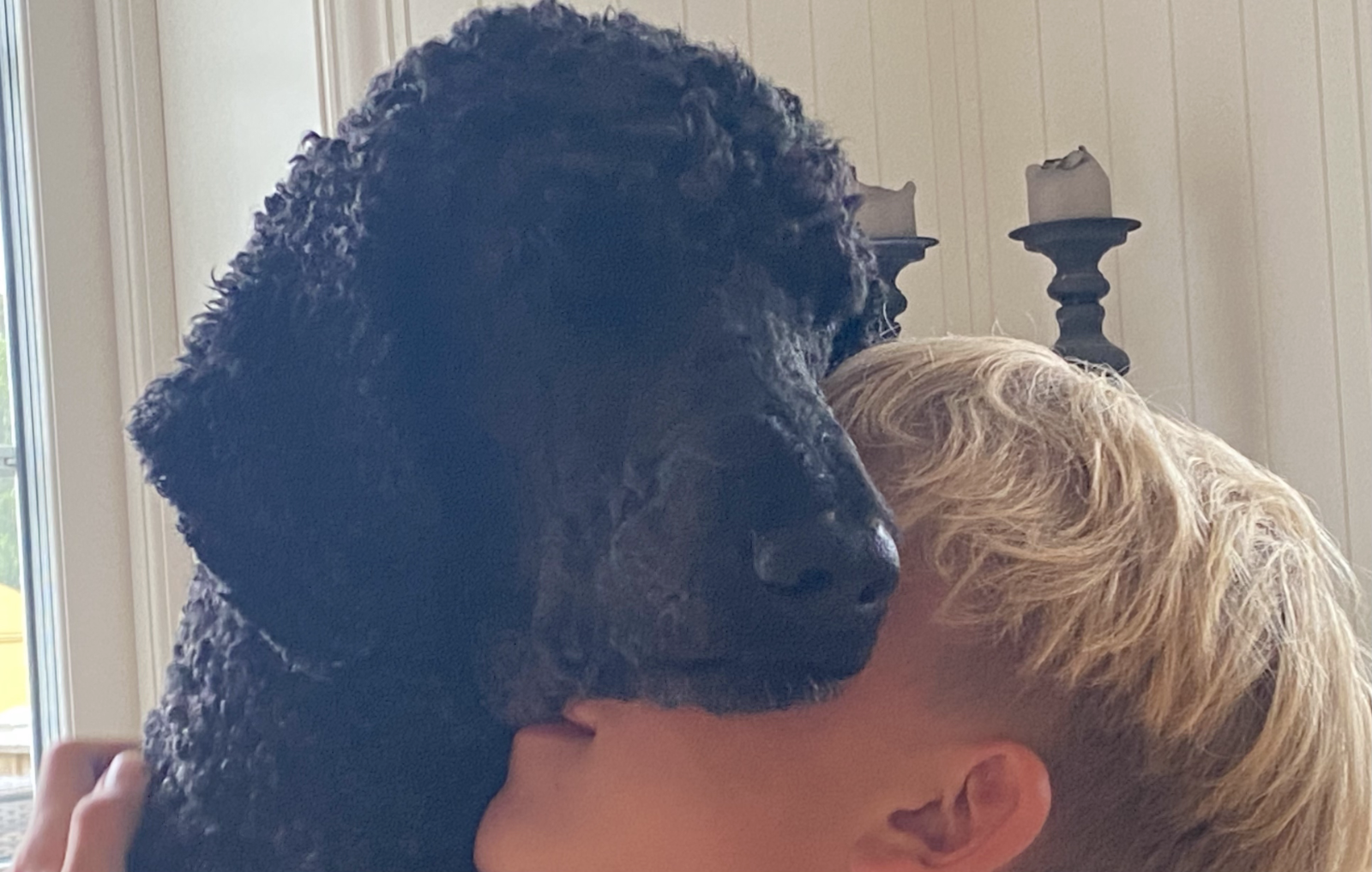
Me and Max, his head resting against mine

Me & Maxat home

The clothing

Fixing the industry,
not just funding fixes.

Anyway was always meant to do more than write cheques. The clothing industry is enormous — and much of it is genuinely awful: harmful chemicals in the dye house, poverty wages on the factory floor, hours no one should work, quality cut to the bone. Fashion produces up to 10% of global carbon emissions — more than international flights and maritime shipping combined — and textile dyeing accounts for around a fifth of the world's industrial water pollution. Tens of millions of people make the world's clothes; very few of them earn a living wage. The industry is built this way because exploitation is cheap. We're proving that isn't the only way it can work.

So Anyway does the opposite, on purpose. Fair wages, safe conditions, reasonable hours, no child labour — anywhere in the chain. We deliberately produce in developing countries, not despite the risks but because doing it properly there matters most: a factory that pays well and treats people decently is itself a contribution to the local industry, not an extraction from it. Good jobs under good conditions are a form of support no donation replaces.

Fair wagesEveryone who makes our clothing earns properly, works reasonable hours, and takes holidays. No exceptions, no fine print.
No child labourEver. Not in our factories, not in our suppliers' factories, not anywhere in the chain.
Safe materialsChosen for quality and safety — no harmful chemicals, no cheap shortcuts that end up in your skin or a river.
Responsible productionAs environmentally sound as we can make it at every stage — and honest about the stages where we're still improving.

About the price

Yes, it costs more than you might expect. That's deliberate. The materials are the best available, production is ethical from end to end, and everyone involved is paid fairly — none of that is cheap, and we're not pretending it is.

Here's the part most brands won't say out loud: plenty of clothing at a similar or higher price is made worse than ours, and the difference mostly becomes someone's profit. We want to be left with real money after production costs too — because that margin is what actually funds the organisations we support. A brand that barely breaks even can't help anyone. The margin is the entire point.

Why
now.

I don't think there has been a moment where more things needed fixing at the same time. The ocean is filling with plastic faster than anyone is removing it. Forests that took four hundred years to grow are cleared in an afternoon. Animals spend entire lives in conditions nobody would defend out loud. Children go without water, or school, or both.

None of it is a mystery. We know what causes it, and we largely know what fixes it. The gap is money and attention — and both are things a clothing brand can generate.

My intention is to do as much as I can across as many of these areas as possible. Not to pick one comfortable cause and stay there.

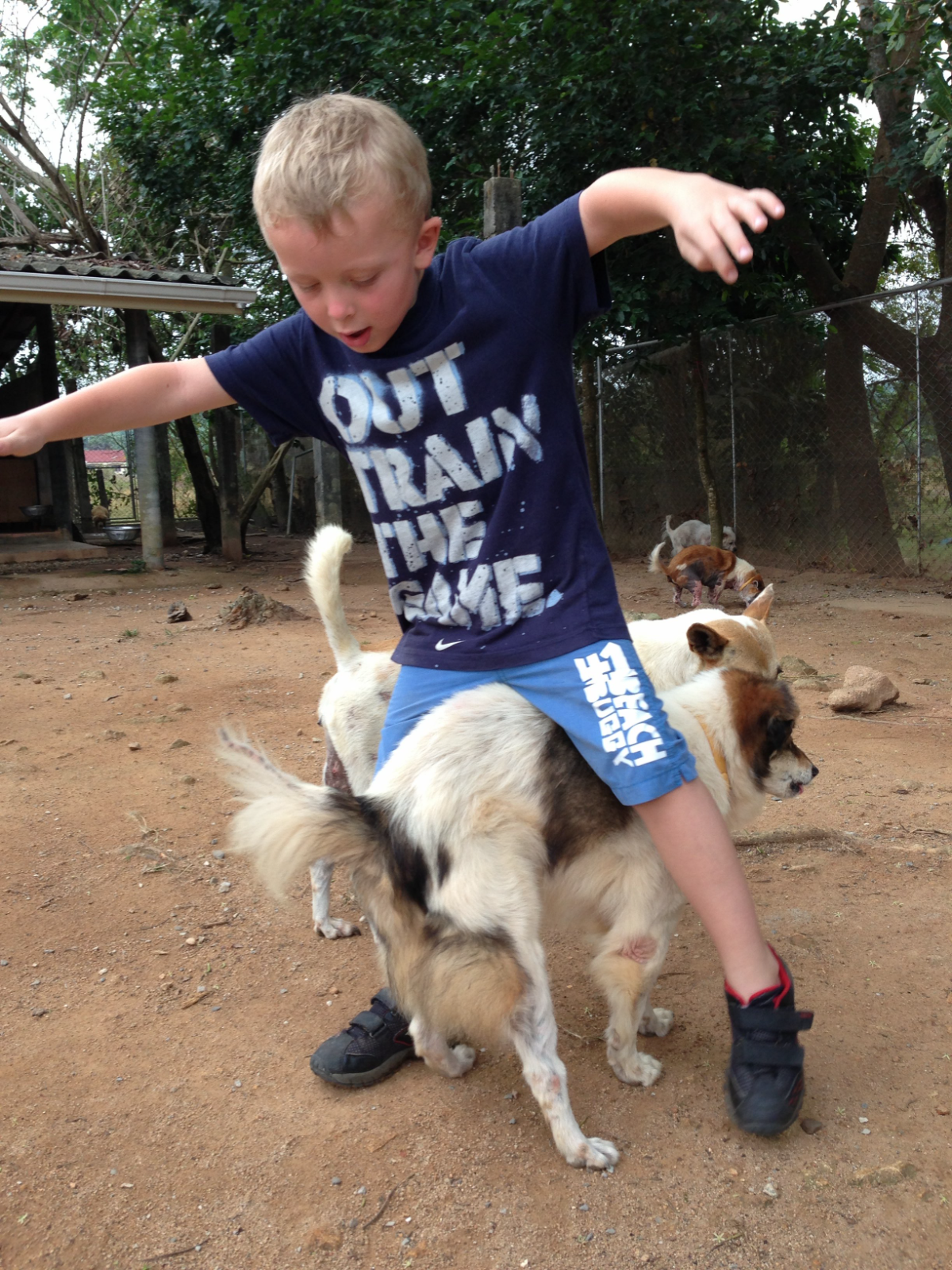
None of this is new to me. As a kid I volunteered at Soi Dog in Thailand with my parents, and for a long time at Dyrebeskyttelsen Norge with my mum. Helping animals — and people, and the place we all live — has been the point for as long as I can remember.

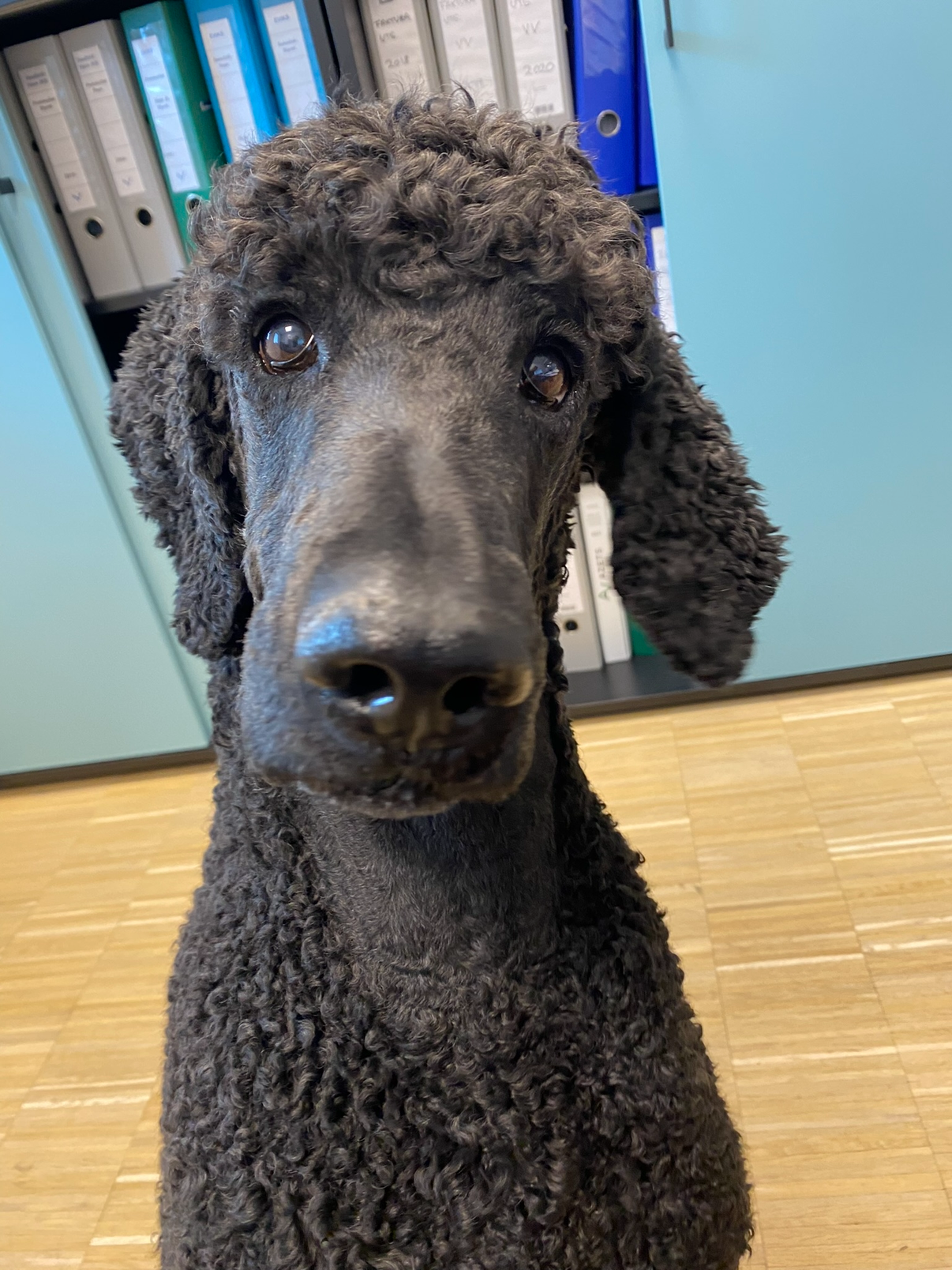
Max looking into the camera

Max — at work

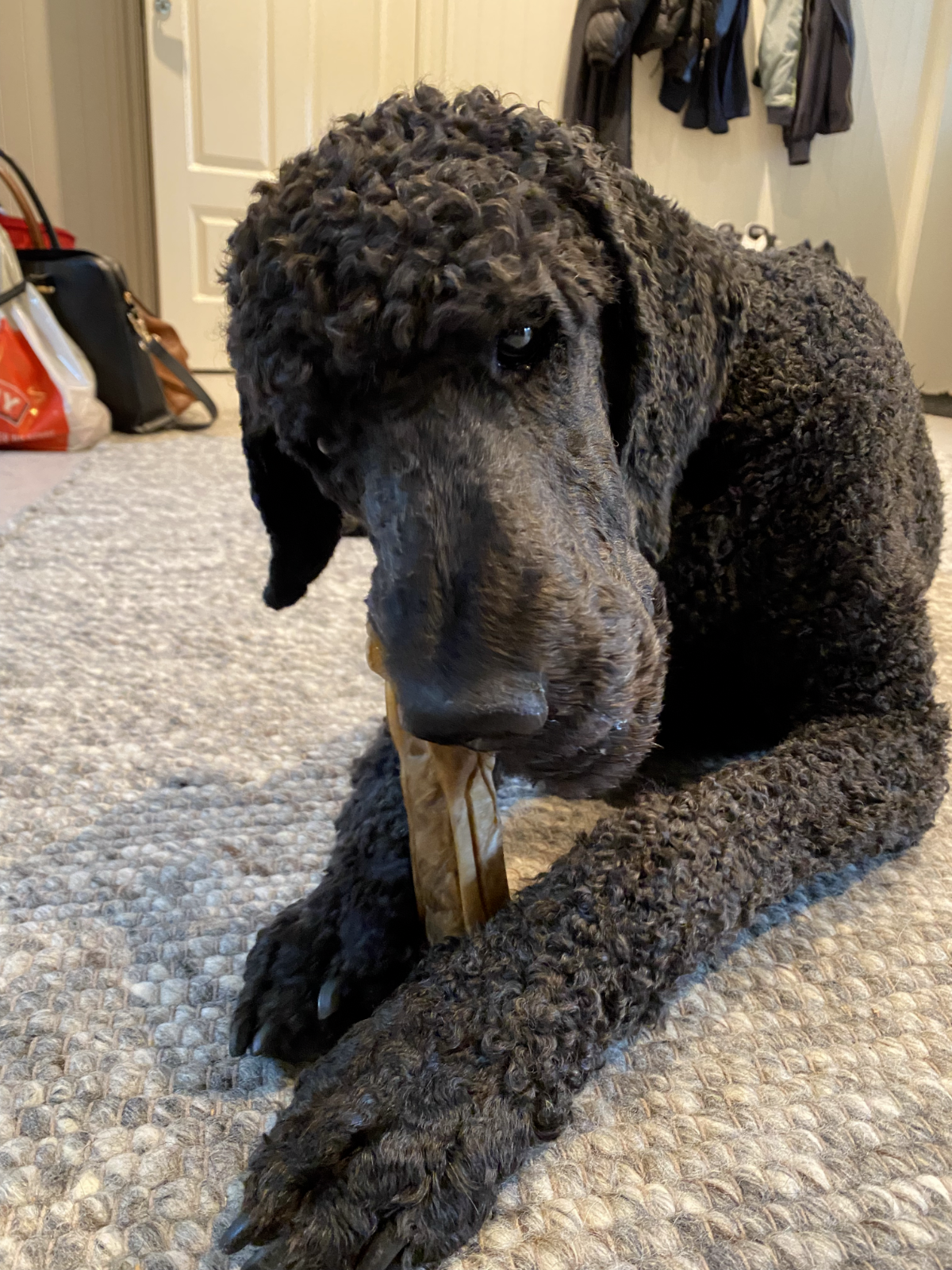
Max, occupied with a chew

Priorities in order

A young Mikkel at Soi Dog in Thailand, playing with rescued dogs

Soi Dog, Thailand — an early start

Where the money
came from.

Since 2024 I've run a separate business in AI development, social media marketing and video production. It's earned close to $200,000 (roughly 2 million NOK). I made my first million kroner before I turned 18.

I used that money to start Anyway. I don't want money for the sake of having it. I want it because it lets me do what I've wanted to do my whole life, which is help.

This is a starting
point, not a list.

Five causes and ten organisations is where Anyway begins — not where it ends. More cause areas and more organisations will be added as we grow. When there's enough money to fund something new properly, we fund something new.

Animal welfare in particular will expand. I care deeply about animals having good lives, and three organisations is nowhere near the ceiling of what I want to do there.

Tell me what to do next

This is a genuinely open invitation. If you know an organisation doing serious work, if there's a cause we've missed, if you have an idea for a collection — send it. I read everything.

  • Causes you want Anyway to support
  • Organisations worth funding, and why
  • Clothing and collection ideas
  • Anything else you think we should hear

One address

No form, no ticket system, no team inbox. Write to me directly and you'll get a reply from me directly.

hello@anywaysoul.com

Built by Mikkel Staksrud Haslekås

For Max — 24.10.2016 – 12.09.2025